The Short Answer: Not Many Natural Ones
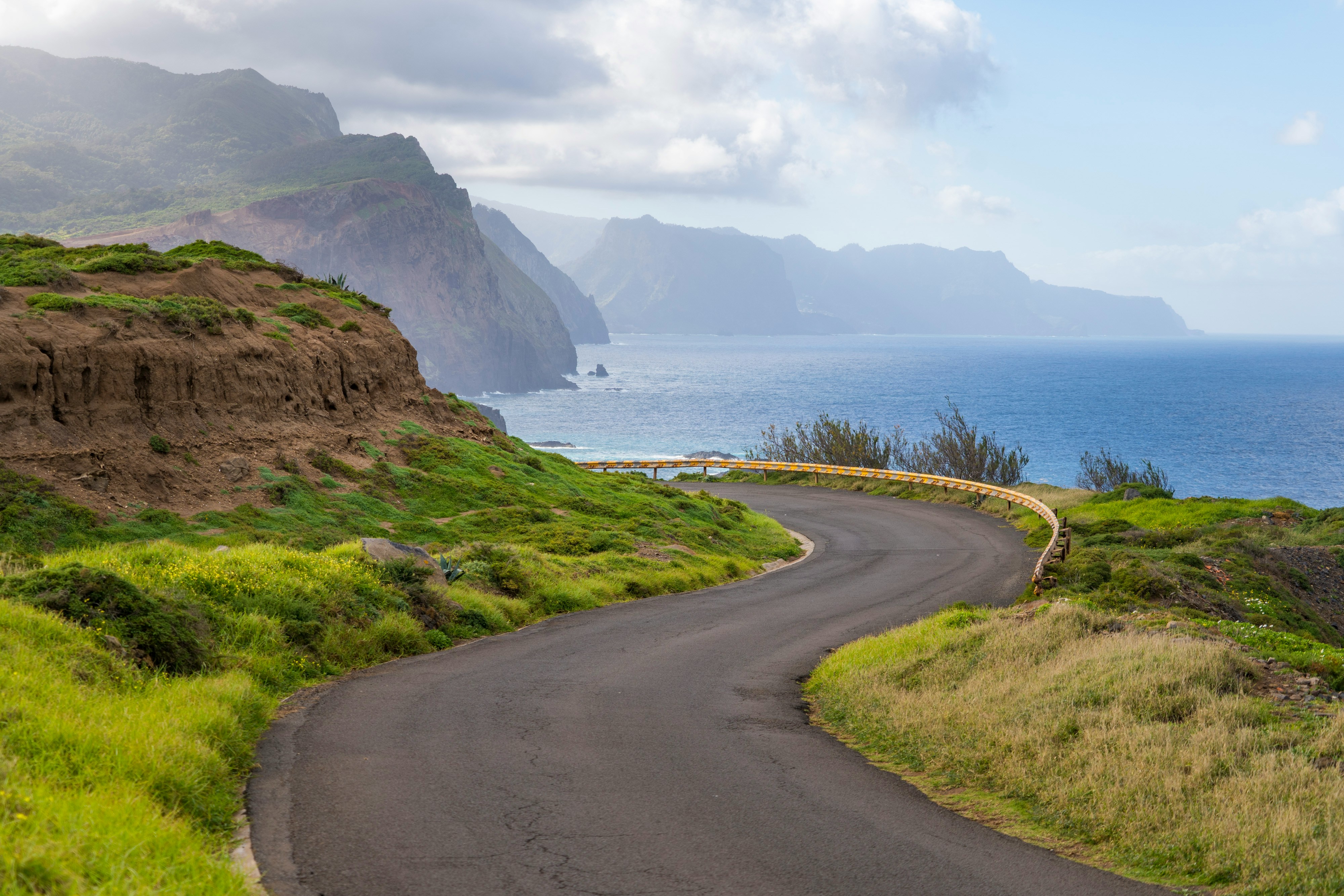
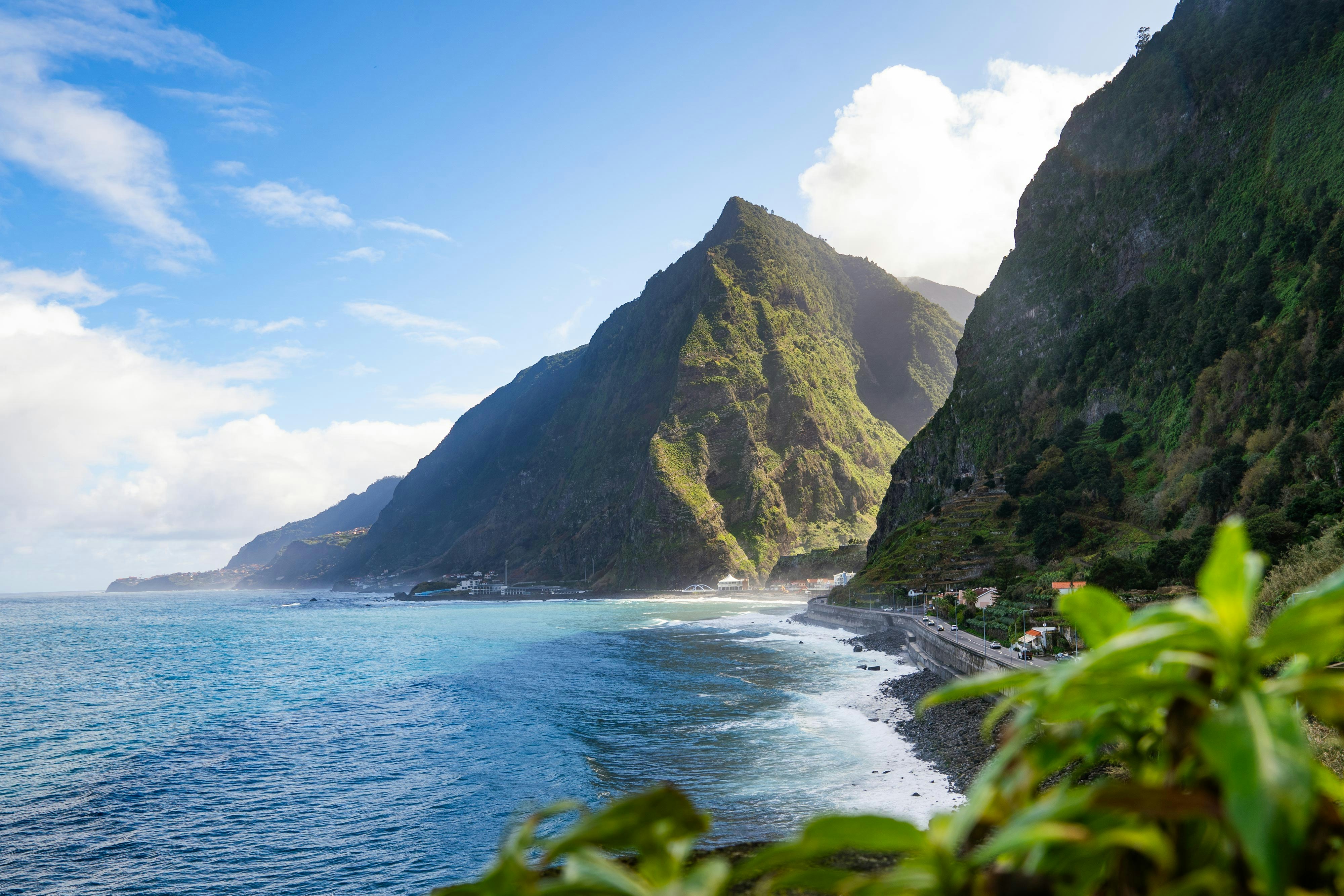
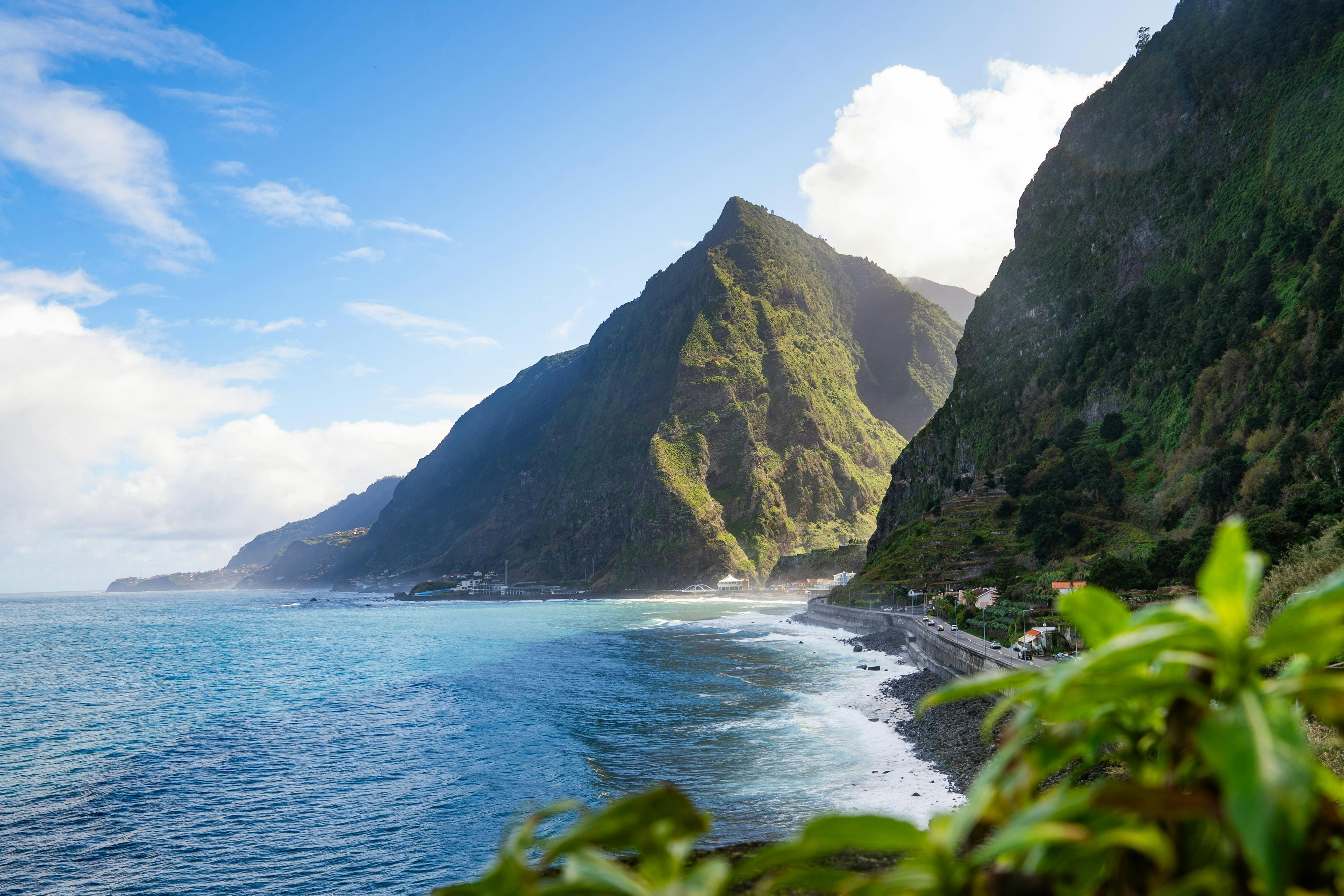
Madeira is a volcanic island, and it shows in its coastline — most of it is pebble or rock rather than sand. If you're picturing long stretches of golden beach, Madeira isn't that kind of island. What it lacks in classic beaches, though, it makes up for with natural volcanic swimming pools and dramatic cliffs, which is arguably more in character with the rest of the island.
Where the Real Sand Is
A few beaches do have natural black volcanic sand, most notably Prainha on the east coast near Caniçal — often cited as Madeira's only naturally sandy beach. Seixal, on the north coast, is another volcanic black-sand option, widely considered one of the most striking beaches on the island.
Two beaches have imported golden sand: Praia da Calheta in the southwest and Machico Beach in the east both brought in sand (from Morocco and Portugal) to create a more conventional beach experience.
Pebble Beaches and Natural Pools
Most of the rest of the coast — including Praia Formosa near Funchal and the beach at Ponta do Sol — is pebbles rather than sand. Many visitors end up preferring Madeira's natural volcanic pools instead, like those at Porto Moniz, where seawater collects in lava rock formations.
The Alternative: Porto Santo
If a proper sandy beach is non-negotiable, Madeira's sister island Porto Santo has a 9 km stretch of natural golden sand with turquoise water — reachable by a roughly 2.5-hour ferry or a short flight. Many visitors add a day or two on Porto Santo specifically for this.
Bottom Line
Come to Madeira for the mountains, levada walks, and volcanic pools rather than classic beach days — and if beach time matters to you, budget a trip to Porto Santo alongside it.