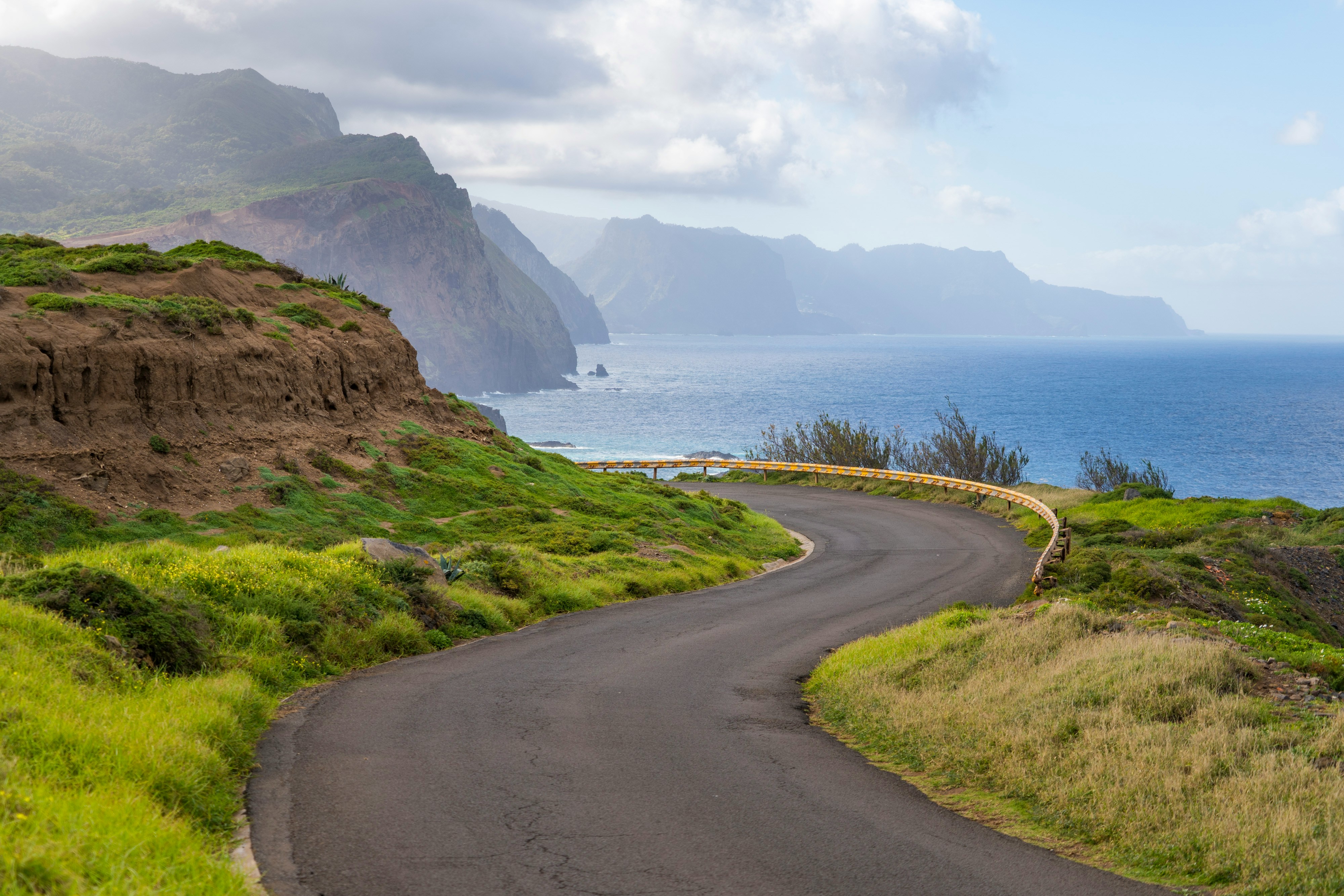
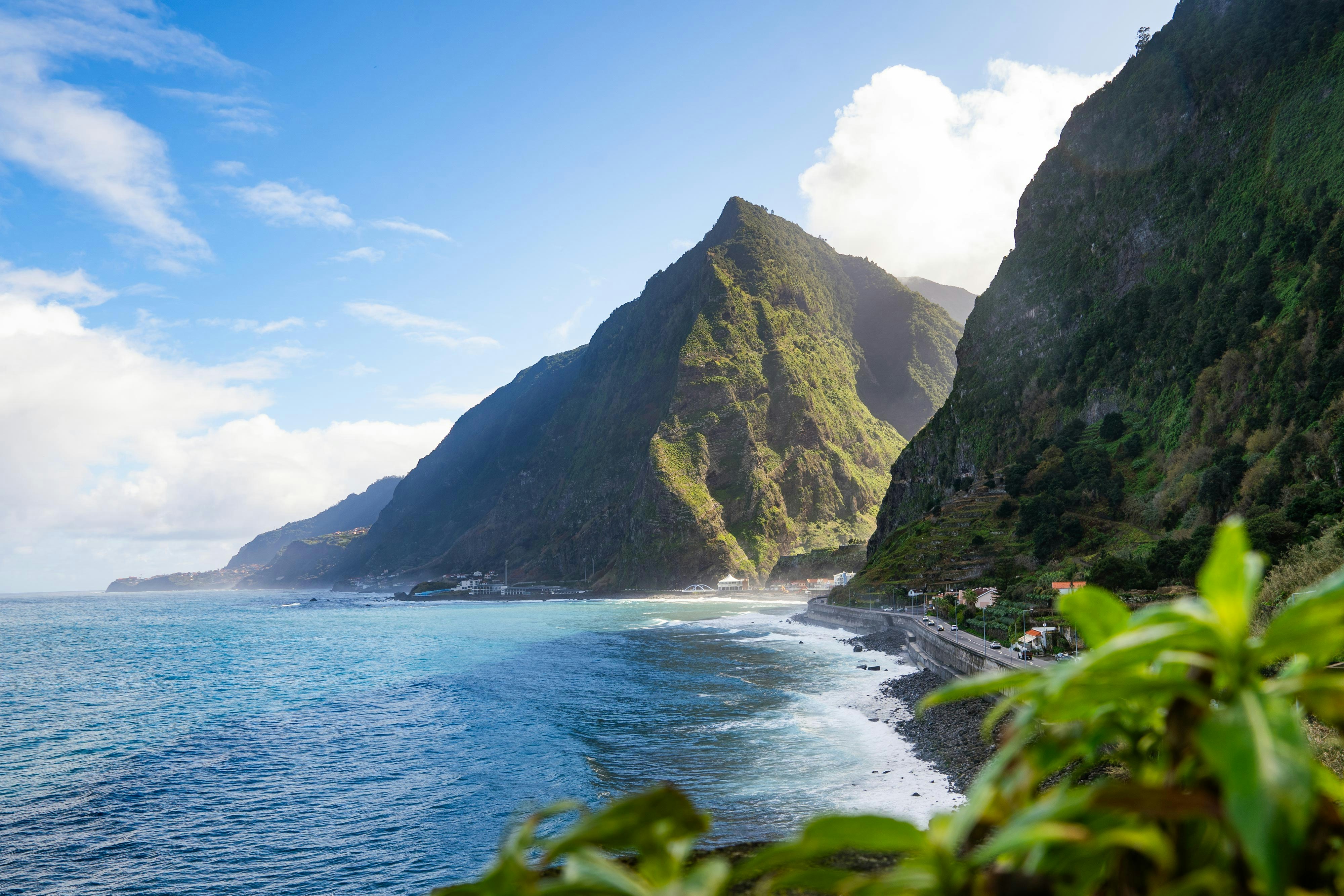
A ribeira is a stream, river valley, or the ravine it has carved into the landscape. Because Madeira's terrain is cut by countless watercourses running from the mountains to the sea, "ribeira" appears constantly in local place names, from Ribeira Brava to Ribeiro Frio.
Origin & Meaning
The word comes from the Portuguese for "riverbank" or "stream," and on Madeira it's used both for the watercourse itself and for the steep valley it has cut over thousands of years. The island's volcanic origin and heavy rainfall in the north mean these ribeiras are everywhere, often running dry in summer and swelling dramatically after winter storms. Many Madeiran towns and neighborhoods take their names directly from the ribeira running through them — Ribeira Brava ("wild stream"), Ribeira Grande, and Ribeiro Frio ("cold stream") among the best known. Historically, settlements grew up along these valleys because they offered fresh water and flatter, more farmable ground than the steep slopes surrounding them, making the ribeira the natural center of daily life in many Madeiran communities. Even today, several of the island's main roads and hiking routes still follow the line of a ribeira valley, since it often offers the gentlest path through otherwise steep terrain.
Where You'll See It
These watercourses are the reason Madeira's levada irrigation channels exist in the first place — the levadas were built to redirect water from the rain-heavy ribeiras of the north to the drier south of the island. Many ribeiras also cut through the island's Laurissilva forest on their way down from the peaks, and some of the island's most scenic miradouros overlook a ribeira valley below.
Related Terms
A fajã sometimes forms where a ribeira meets the coast, and the island's levada system is closely tied to how these valleys carry water across Madeira.
Frequently Asked Questions
What does "ribeira" mean?
It means "stream" or "river valley" in Portuguese — both the watercourse itself and the ravine it has cut into the landscape.
Why are so many Madeiran places named "Ribeira something"?
Because the island is carved by so many watercourses running from its mountainous interior to the sea, and towns historically grew up alongside them for access to fresh water and farmable land.
Do ribeiras always have water in them?
Not always — many run low or dry during Madeira's drier summer months and swell quickly after heavy winter rain.
What's the connection between ribeiras and levadas?
Levadas were originally built to capture and redirect water from the rain-fed ribeiras of the north to irrigate the drier agricultural land in the south.